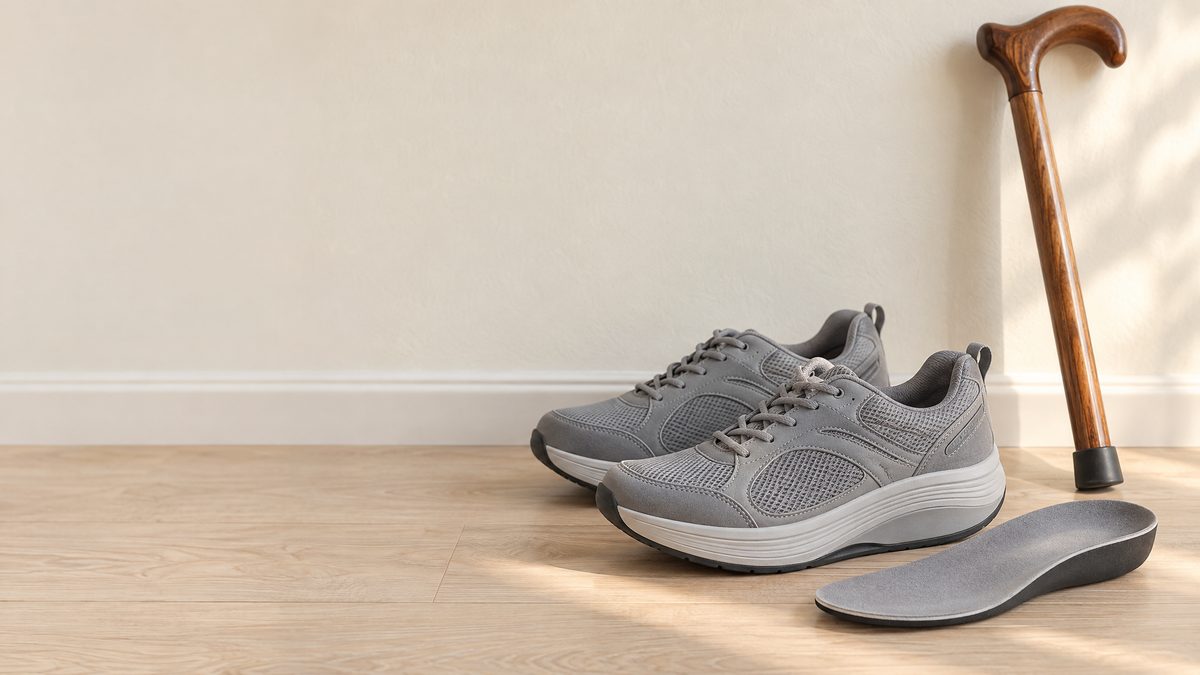
Can You Walk Without Toes? Walking After a Big Toe (Hallux) Amputation
What changes after losing a smaller toe, the big toe, or all of them, and what helps you walk well again.
If you or someone close to you has lost a toe, or is facing the operation, the first question is usually whether walking will feel normal again. The honest answer depends on which toe, how much of it, and what caused the amputation. This guide covers walking and function; how the wound heals, stage by stage, is in our toe amputation recovery guide.
ASG Foot & Ankle patient education. Updated October 23, 2026. General information, not a diagnosis.
The short answer
Yes, you can walk without toes. Losing one of the smaller toes changes walking very little, and after a planned small-toe amputation many people are back in normal shoes at about 2 weeks. Losing the big toe (hallux) weakens push-off: in a 2025 gait study, people without a big toe walked about 11 to 16% slower barefoot, and even with all five toes gone (a transmetatarsal amputation) the foot still walks, best in a full-length shoe with a custom insert and a rigid rocker sole. With diabetes, the bigger job is protecting the foot, because pressure shifts to new spots and about 40% of healed foot ulcers come back within a year.
Get It Seen Promptly If
With neuropathy, a problem can grow without hurting. Look at both feet every day and act on what you see:
- •A new callus, blister, red patch or break in the skin, especially under the ball of the foot or on a toe tip
- •A spot warmer than the same spot on the other foot, or a foot suddenly hot, red and swollen without a wound
- •A remaining toe starting to curl, or leaning into the gap
- •The amputation scar opening, weeping or becoming sore again
- •Toes or foot turning pale, blue, dusky or cold, or new foot pain at rest or at night
- •A fall, or holding on to furniture to get around
- •Same day or the emergency room: spreading redness, pus, a bad smell, fever or chills, or skin turning black
What Your Toes Do When You Walk
Each step ends with the heel lifting and your weight rolling forward over the ball of the foot, with the toes the last part to leave the ground. In a classic pressure study of 160 people, the toes were in contact with the ground for about three quarters of each step and pressed down about as hard as the ball of the foot did.
The big toe
The last point of contact before the foot leaves the ground. It gives the final push and steadies you as your weight rolls forward, so its loss changes walking most.
The four smaller toes
Grip the ground, fine-tune balance, and keep each other straight. Losing one changes walking little, but the toes beside the gap can drift into it.
Can You Walk Without a Big Toe?
Yes. The big toe (hallux in medical notes) is the most important toe for walking, and people still walk without it. What changes is push-off. In a 2025 gait-lab study, four people with a big toe amputation walked at 1.19 to 1.26 meters per second barefoot, against 1.41 in people with intact feet: about 11 to 16% slower. Their ankle push-off power ranged from close to normal in two people to 27% lower in one, and they walked faster than most of the people with larger forefoot amputations.
Where the pressure goes
The load the big toe used to carry does not disappear. In 11 people with diabetes who had lost the big toe and part of the bone behind it, peak pressure on the operated foot was higher under the ball of the foot behind the missing toe, under the other metatarsal heads, and under the remaining toes than on their other foot. The smaller toes also tend to curl and lean toward the big toe side to grip, which can lead to hammertoes and sore spots on their tips and tops. Those are the places new ulcers tend to start.
Partial or whole hallux amputation: does it matter?
It can. A partial hallux amputation keeps some of the toe, often the base of its bone; a complete one is taken off at the joint where the toe meets the foot. A 2021 review of amputation mechanics notes that keeping the base of the bone can stop the stump drifting and preserves the muscle and sesamoid attachments that help stabilize the big toe side. The level is set by where the infection or damaged tissue ends, so it is a surgical decision rather than a choice.
What "left hallux amputation" in your notes means
It simply means the left big toe was removed; notes may also say great toe amputation. For walking, left and right behave the same. The side matters mainly for driving, since the right foot works the pedals: NHS guidance is to drive again only once you can make an emergency stop, and to check with your insurer first.
What helps after a big toe amputation
- A filler or custom insole that spreads load away from the ball of the foot
- A stiffer sole, often with a rocker curve, that rolls you forward where the toe used to push
- Balance and strengthening work with a physical therapist
- A daily look at the ball of the foot and the tips of the smaller toes
Walking After Losing One of the Smaller Toes
Losing one of the four smaller toes usually changes very little about how you walk. For a planned amputation of a painful, deformed small toe on a healthy foot, an NHS leaflet gives this timeline:
About 2 weeks
Stitches out. Many people are back in normal shoes, though some take 4 to 6 weeks.
2 to 4 weeks
Back to desk or other non-manual work.
4 to 6 weeks
Back to manual or more active work.
About 3 months
Sport can be considered, depending on recovery.
After an amputation for infection or poor circulation, the wound sets the pace, not the calendar. The same leaflet's main warnings are about the neighbors: the toes beside the gap can shift into it, and an existing bunion can get worse, which is most relevant when the gap is next to the big toe, after losing the second toe. A spacer or filler in the shoe is the simple answer.
Several Toes, a Ray Amputation, or All Toes
When more than one toe is lost, or infection reaches the bone behind a toe, the operation is different, and so is the walking.
Several toes. The effects add up: each toe lost takes away some grip and push-off, and the rest of the forefoot carries more.
Ray amputation. Removes a toe together with part or all of the long bone behind it, the metatarsal. Removing a middle ray, especially the second, narrows the foot and can unbalance it, so one amputation across the foot is sometimes preferred to removing several rays.
Transmetatarsal amputation (all toes). Removes all five toes and the front of all five metatarsals in one even line. The shorter foot still gives a reasonable platform for walking. Its main problem is the calf, which can pull the foot into a pointed position (equinus) that overloads the end of the foot, so the Achilles tendon is sometimes lengthened.
| Operation | What is removed | Walking afterward | What usually helps |
|---|---|---|---|
| One smaller toe | The toe, at or below the joint with the foot | Little change; the neighbors can drift into the gap | Spacer or filler, roomy shoe |
| Partial big toe | The tip or part of the big toe, with the base kept | Push-off reduced; the kept base helps hold the big toe side stable | Filler, custom insole, stiffer sole |
| Whole big toe (hallux) | The big toe, at the joint with the foot | Weaker push-off, slower step, more pressure under the ball of the foot and smaller toes | Filler, custom insole, rocker sole, balance work |
| Ray amputation | A toe plus part or all of the long bone behind it (metatarsal) | Narrower or shorter forefoot; more load on the neighboring bones | Custom insole with filler, shoe matched to the new width |
| Transmetatarsal | All five toes and the front of all five metatarsals | Shorter foot, weaker push-off, risk of the foot tipping down | Full-length shoe, total-contact insert, rigid rocker sole |
For a foot without toes, the shoe matters a great deal. In 30 people with diabetes and a transmetatarsal amputation, a full-length shoe with a total-contact insert and a rigid rocker sole cut peak pressure at the end of the foot to 222 kPa, against 284 kPa in a regular shoe with a toe filler, and lowered pressure under the other foot too.
Balance and the Way You Walk
Feeling less steady is real, not imagined. In a study of people with diabetic nerve damage, those who had lost part of the foot swayed more while standing still than those with nerve damage alone. In the 2025 gait study, people with big toe and forefoot amputations spent uneven time on each foot, and six of the eight walked with the hip more bent: the changes reach beyond the foot.
Practical steps that help
- •Ask for balance and gait practice with a physical therapist
- •Wear your supportive shoes around the house, not socks or soft slippers
- •Light the route to the bathroom at night
- •Take curbs, stairs and uneven ground slowly at first, and use a cane early on if your therapist suggests it
Shoes, Toe Fillers, Rocker Soles and Inserts
Shoes do much of the work the missing toe used to do. International diabetic foot guidance (IWGDF) recommends footwear adapted to the changed foot, worn indoors and outdoors, with custom insoles or toe orthoses when needed.
Toe filler or spacer
Fills the space where the toe was, so the shoe does not crease into the gap and the neighboring toes do not drift into it. It can be built onto an insole so it stays in place.
Custom insole
Molded to the foot you have now and shaped to take load off the high-pressure spots. After a healed ulcer on the sole, IWGDF guidance asks for footwear with a demonstrated pressure-relieving effect there: about 30% lower peak pressure in the shoe than the current footwear, measured where possible.
Rocker sole
A stiff sole curved up at the front, so the shoe rolls you forward instead of the forefoot bending. In a trial of 51 people with neuropathy and a recently healed ulcer, ulcers came back within about 6 months in 23% with rigid rocker soles, against 64% with semi-rigid soles.
The right fit
Inside length 1 to 2 cm longer than the foot, width equal to the foot at its widest, and depth for the toes and insert. Fitted standing, later in the day, by someone trained.
Store insoles cushion but rarely redistribute pressure the way a molded one can; see custom orthotics vs store insoles. For styles that protect the foot, see the best shoes to prevent foot ulcers, and for paying for them, whether Medicare covers diabetic shoes.
Physical Therapy and Getting Your Stride Back
A physical therapist can help rebuild strength, balance and confidence, particularly after losing the big toe or more: calf and ankle stretching (important after a transmetatarsal amputation, where a tight calf tips the foot down), foot and ankle strengthening, and balance and gait practice.
IWGDF guidance describes supervised 8 to 12 week programs like this for people with diabetes at low to moderate foot risk, and advises against exercises that load the foot while an ulcer is open, so after an amputation have the program set by someone who has examined your foot. For everyday walking, it suggests building up toward about 1,000 extra steps a day, adding no more than 10% a week, and considers this probably safe after an ulcer or amputation too, in appropriate footwear.
Running, Sport and Work
Running and sport
The big toe contributes to generating speed, so running is where its loss shows most. After a planned small-toe operation on a healthy foot, NHS guidance considers sport from about 3 months. With diabetes or reduced feeling, agree a plan first, build up gradually in your prescribed shoes, and check the skin after every session.
Work
For planned small-toe surgery, the NHS leaflet suggests about 2 to 4 weeks off for non-manual work and 4 to 6 weeks for manual work; amputations for infection usually take longer. If you stand or walk all day, your work shoes or boots need the filler and insert too.
With Diabetes: The Real Risk Afterward, and How to Lower It
If the toe was removed because of diabetes, this matters most. The operation removed the problem toe, not the nerve damage, circulation or blood sugar behind it, and the new shape of the foot moves pressure onto spots that never carried it. The published numbers, plainly:
About 40%
of healed foot ulcers in diabetes come back within a year
And about 65% within 3 years, according to international diabetic foot guidance.
About 1 in 5
needed a further amputation after a partial first ray (big toe area) amputation
86 of 435 people in a systematic review, followed for about 2 years on average.
0 to 10%
went on to a major (leg) amputation after toe or metatarsal amputations
The range across studies in a 2026 review of 46 studies and over 32,000 patients.
In that big toe review, most repeat operations stayed on the foot: of the 86, 32 removed another toe and 28 were transmetatarsal amputations, while 25 were below the knee. The 2026 review found further foot-level amputations in 12 to 33% of patients across studies, highest after first metatarsal amputations.
What these numbers do and do not mean
They are averages across groups, including many people who had little structured foot care, and the big toe review left out people with severe circulation problems. They describe risk, not what will happen to you. International guidance recommends regular professional foot care, pressure-relieving footwear and education because they lower that risk; the rocker sole trial above is one example of how much footwear alone can change.
If a new sore does appear, early care makes the difference; see foot wounds and diabetes, and for an ulcer on the sole, offloading a foot ulcer. Ongoing care is part of our diabetic foot and wound care service.
Protecting the Foot You Have: A Daily Checklist
- Look at both feet every day, including the soles and between the toes. Use a mirror, or ask someone to help.
- Wear shoes whenever you are on your feet, indoors too: not barefoot, not socks only, not thin slippers.
- Feel inside each shoe before you put it on.
- Wear your prescribed shoes and insoles consistently, and never again wear a shoe that caused an ulcer.
- Wash daily in water below 37°C (98.6°F), checked with a thermometer, and dry between the toes. No heaters or hot-water bottles on the feet.
- Moisturize dry skin, but not between the toes. No chemical corn removers; have calluses treated by a podiatrist.
- Seamless, light-colored socks, changed daily, so any drainage shows.
- Foot checks with your foot care team every 1 to 3 months, the interval IWGDF guidance sets for people with neuropathy or poor circulation who have had an amputation.
Still healing from the operation? Toe Amputation Recovery →
A new callus on the ball of the foot? Callus or Pressure Sore? →
Foot hot, red and swollen with no wound? Charcot Foot →
Numbness or burning in both feet? Diabetic Neuropathy in the Feet →
Cold, pale toes or pain at night? Poor Circulation and Foot Pain →
Frequently Asked Questions
Can you walk without a big toe?
Yes. The big toe gives the final push at the end of each step, so losing it changes your stride more than losing a smaller toe, but people do walk without it. In a small 2025 gait study, four people with a big toe amputation walked about 11 to 16% slower barefoot than people with intact feet. A filler, a custom insole and a stiff or rocker sole take pressure off the ball of the foot.
Can you walk without your toes?
Yes. A foot without toes, after a transmetatarsal amputation that removes all five toes and the front of the long foot bones in one even line, is shorter but still gives a reasonable platform for walking. In a study of 30 people with diabetes and this operation, a full-length shoe with a total-contact insert and a rigid rocker sole lowered pressure at the end of the foot more than a regular shoe with a toe filler.
Does losing your big toe affect your balance?
It can, especially in the first months and on uneven ground. The toes touch the ground for about three quarters of every step, so they help steady you. In a study of people with diabetic nerve damage, those who had lost part of the foot swayed more while standing still than those with nerve damage alone. Balance and gait exercises, shoes rather than slippers, and good lighting at night all help.
What is a hallux amputation?
Hallux is the medical name for the big toe, so a hallux amputation is removal of all or part of it. A partial hallux amputation keeps some of the toe, often the base of its bone; a complete one is taken off at the joint where the toe meets the foot. Notes may say great toe amputation, or name the side, as in left hallux amputation. If part of the long bone behind the toe is removed too, it is a first ray amputation.
Can you run after a big toe amputation?
Some people do, but running is the activity most affected, because the big toe contributes to generating speed and gives the final push-off. After a planned toe operation on a healthy foot, NHS guidance considers sport from about 3 months. With diabetes or reduced feeling, agree a gradual plan first, run only in your prescribed shoes and insoles, and check the skin after every session for redness, blisters or callus.
How long is recovery from a toe amputation due to diabetes?
Usually longer, and less predictable, than a planned toe operation on a healthy foot, because circulation, infection and blood sugar all affect how fast the wound closes. Our toe amputation recovery guide covers the healing stages. For walking, stay in the protective shoe until you are cleared, then move into proper footwear with a filler or custom insert, and keep foot checks every 1 to 3 months, as international guidance advises once nerve or circulation problems have led to an amputation.
What is a toe filler, and do I need one?
A toe filler is a soft, shaped insert, often built onto an insole, that fills the space where a toe used to be. It stops the shoe creasing into the gap and keeps the neighboring toes from drifting into the space, which NHS guidance warns can happen after a toe is removed. A review of amputation mechanics also notes that a filler can improve stability after the little toe and its bone are removed.
Sources and further reading
- Hughes J, Clark P, Klenerman L. The importance of the toes in walking. J Bone Joint Surg Br (1990)
- Doerks F et al. Gait characteristics of people with hallux and forefoot amputations: a case series. J Clin Med (2025)
- Lavery LA, Lavery DC, Quebedeax-Farnham TL. Increased foot pressures after great toe amputation in diabetes. Diabetes Care (1995)
- McGuire J, Thomson A, Kennedy PG. The biomechanics of diabetic foot amputation. Wounds (2021)
- Kanade RV et al. Investigation of standing balance in patients with diabetic neuropathy at different stages of foot complications. Clin Biomech (2008)
- Wye Valley NHS Trust, Department of Podiatric Surgery: Toe amputation, patient information
- Mueller MJ, Strube MJ, Allen BT. Therapeutic footwear can reduce plantar pressures in patients with diabetes and transmetatarsal amputation. Diabetes Care (1997)
- López-Moral M et al. Clinical efficacy of therapeutic footwear with a rigid rocker sole in the prevention of recurrence in patients with diabetes mellitus and diabetic polineuropathy: a randomized clinical trial. PLoS One (2019)
- Bus SA et al. Guidelines on the prevention of foot ulcers in persons with diabetes (IWGDF 2023 update)
- IWGDF Practical Guidelines on the prevention and management of diabetes-related foot disease (2023)
- Borkosky SL, Roukis TS. Incidence of re-amputation following partial first ray amputation associated with diabetes mellitus and peripheral sensory neuropathy: a systematic review. Diabet Foot Ankle (2012)
- Greenfield SH et al. A systematic review and meta-analysis on partial foot amputation in diabetic foot ulcers. J Vasc Surg (2026)
General patient education. Your examination and individual treatment instructions take priority.
See a Podiatrist Near You
ASG Foot & Ankle has offices in Homewood, South Chicago Heights and Mokena. Our board-certified podiatrists accept most insurance. Find the office closest to you:
Walking Differently Since the Amputation?
A new callus, a toe starting to curl, or shoes that no longer suit your foot are all reasons to be seen. ASG Foot & Ankle can check pressure points, fit fillers and offloading insoles, and set up regular diabetic foot checks.