Morton's Neuroma Treatment: What Works, In Order
Most people never need surgery. The ones who do deserve to know about the numbness before they sign the form, not after.
People with Morton's neuroma nearly always arrive with the same description: it feels like there is a pebble in the shoe, or a sock bunched under the ball of the foot, and no amount of shaking it out helps because there is nothing there. Then comes the burning that shoots into the toes, and the very particular ritual of having to stop, take the shoe off, and rub the foot before carrying on.
It is not actually a tumor, despite the name. It is a thickening of the tissue around one of the nerves running between the metatarsal bones, usually squeezed between the third and fourth. The good news is that most people get on top of it without an operation. The part that gets handled badly is the consent conversation for the people who do have surgery, so this guide from the podiatrists at ASG Foot & Ankle covers the whole ladder in order, with honest numbers at each step.
Medically reviewed by Dr. Timothy Horak and Julia Shauger, board-certified podiatric specialists serving Homewood, South Chicago Heights & Mokena. Last reviewed August 2026.
The short answer
Roughly two thirds to three quarters of people are managed without surgery. Start with a wide toe box, low heel, and a metatarsal pad placed behind the ball of the foot, and give it 6 to 8 weeks. Injections help around 30 to 50% durably. Surgery succeeds in roughly 80 to 85% of cases but leaves permanent numbness in the adjacent toes by design. Recovery from surgery is 6 to 12 weeks, with forefoot swelling lasting 2 to 3 months.
First: Make Sure It Is Actually a Neuroma
Several forefoot problems produce pain in the same place, and treating the wrong one is the most common reason a neuroma "does not respond to treatment". The distinguishing features are worth knowing:
- •Neuroma: burning or electric pain radiating into two adjacent toes, numbness, relieved by removing the shoe. Pain sits between the metatarsal heads
- •Plantar plate tear: pain directly under one metatarsal head, often with the toe starting to lift or drift sideways. No burning or numbness
- •Metatarsal stress fracture: pain on the bone itself, worse with impact, often follows a jump in activity. Localized swelling on the top of the foot
- •Metatarsalgia / fat pad atrophy: a bruised, walking-on-stones ache across the whole ball of the foot rather than one space
- •Nerve compression higher up: tarsal tunnel or a lumbar source can refer burning into the forefoot with a normal-looking foot
A clinician can usually separate these on examination, using a squeeze test across the forefoot that produces a palpable click along with the familiar pain. Ultrasound confirms it and measures the size, which genuinely influences which treatments are worth trying.
The Treatment Ladder
These are broadly sequential. Most people stop somewhere in the first three steps and never need the rest.
Footwear and Padding
- Wide toe box, low heel, stiff sole; the single highest-value change you can make
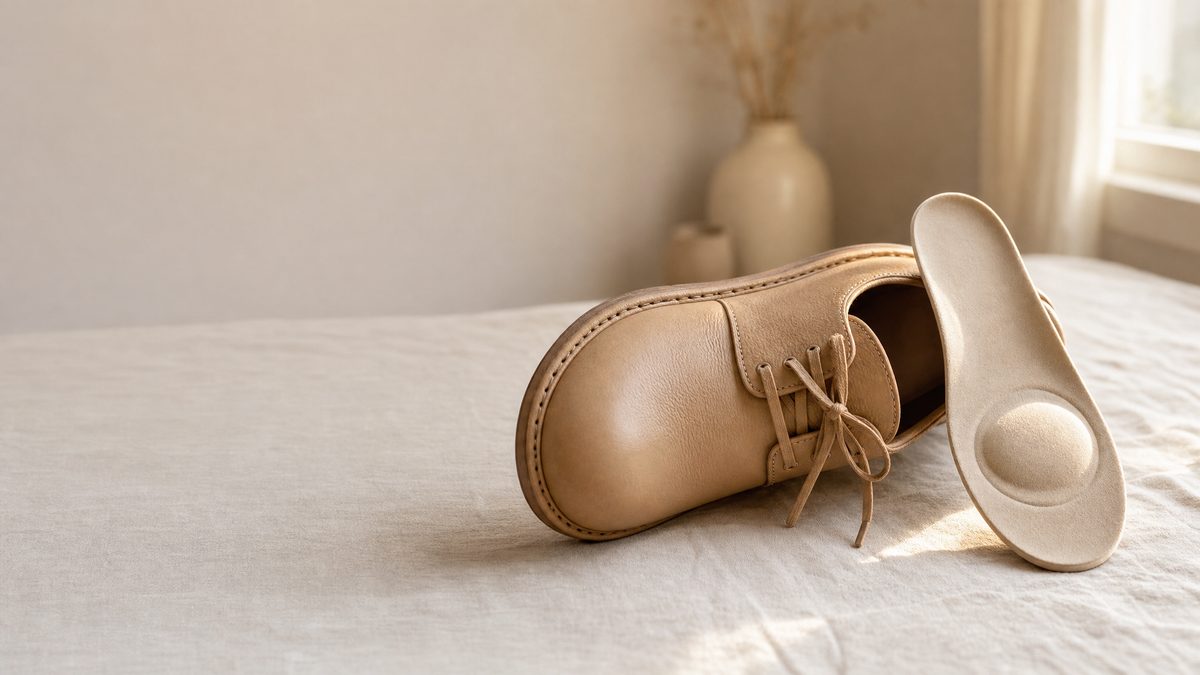
- Metatarsal pad placed just BEHIND the ball of the foot, not directly under the sore spot
- Placement is the whole trick, and a pad in the wrong position often makes it worse
- Works best in symptoms present under a year; give it 6 to 8 weeks before judging
Custom Orthotics
- A built-in metatarsal dome plus arch support that spreads the metatarsal heads apart
- More precise and durable than an over-the-counter pad, and worth it if pads partly helped
- Addresses the underlying mechanics rather than just cushioning the symptom
- Reasonable to run alongside every other step on this list, including after surgery
Corticosteroid Injection
- Reduces inflammation around the nerve; relief ranges from weeks to over a year
- Roughly 30 to 50% get durable relief, better in smaller neuromas and with shoe changes
- Usually limited to 2 or 3 into the same site due to fat pad thinning and tissue weakening
- Two injections without lasting benefit is the signal to move up, not to inject again
Alcohol or Radiofrequency Ablation
- Deliberately damages the nerve to stop it transmitting, without open surgery
- Alcohol sclerosing usually needs a series of injections; results reported widely variable
- Radiofrequency ablation is a single office procedure with quick return to activity
- Reasonable middle ground for people who want to avoid an operation; also causes numbness
Surgical Excision (Neurectomy)
- Removes the affected nerve segment; success commonly reported around 80 to 85%
- Permanent numbness in the adjacent toes is the expected result, not a complication
- Dorsal approach walks immediately; plantar approach needs protected weight bearing
- Full recovery 6 to 12 weeks, with forefoot swelling lasting 2 to 3 months
Decompression (Nerve-Sparing)
- Releases the ligament compressing the nerve rather than removing the nerve
- Keeps sensation intact, which matters to some people a great deal
- Less predictable than excision and not suitable for every neuroma
- Worth asking about specifically if permanent numbness is unacceptable to you
The Numbness Conversation, Before You Consent
The standard operation removes the affected segment of nerve. A nerve that has been removed cannot carry sensation. So permanent numbness down the facing sides of the two toes it supplied is the expected result of a successful operation, not a complication, not bad luck, and not something that wears off in a few months.
In practice, most people find this a completely acceptable trade. The pain they had was interfering with walking and the numbness rarely interferes with anything. Many say they stop noticing it. But patients who were never told are, quite reasonably, upset when they discover it at the two-week follow-up, and that is a consent failure rather than a surgical one.
If the idea of permanent numbness genuinely bothers you, say so before booking. Nerve-sparing decompression releases the ligament pressing on the nerve instead of removing it, and preserves sensation. It is less predictable and it does not suit every case, but it exists and it is a fair thing to ask about.
Recovery After Surgery, Week by Week
| Stage | Dorsal approach (top of foot) | Plantar approach (sole) |
|---|---|---|
| Weight bearing | Immediately, in a post-op shoe | Limited for ~2 to 3 weeks |
| Stitches out | Around 2 weeks | Around 2 to 3 weeks |
| Back in normal shoes | 3 to 6 weeks (roomy ones) | 4 to 8 weeks |
| Unrestricted activity | 6 to 12 weeks | 8 to 12 weeks |
| Forefoot swelling gone | 2 to 3 months, sometimes longer | 2 to 3 months, sometimes longer |
The swelling row is the one that catches people out. You can be walking normally, out of pain, and completely happy with the result at six weeks while still unable to get into a normal fitted shoe. That is not a sign of a problem. The forefoot is stubbornly slow to de-swell, and evening puffiness after a day on your feet can continue for months.
Getting a cortisone injection for the neuroma? The numb window, the flare, and when relief actually starts. Cortisone Shot: What to Expect After →
Pain under a callus rather than between the toes? A painful callus usually means something underneath it. Why a Callus Hurts →
Big toe joint pain instead? Bunion mechanics change how the whole forefoot loads. Bunions →
Considering orthotics? A metatarsal dome built into a custom device is more precise than any stick-on pad. Custom Orthotics →
Frequently Asked Questions
What does Morton's neuroma feel like?
The most characteristic description is the feeling of walking on a pebble or a bunched-up sock that you cannot shake out, located in the ball of the foot most often between the third and fourth toes. Alongside that, people describe burning, electric, or shooting pain that radiates forward into the toes, along with numbness or tingling in the two toes on either side of the affected space. The signature that distinguishes it from most other forefoot problems is what makes it better: the pain builds while walking in enclosed shoes and is relieved by stopping, taking the shoe off, and rubbing the foot. Patients frequently say they have to pull over or leave a shop to do exactly that, which is a very specific and quite reliable clue.
Can Morton's neuroma go away without surgery?
The thickened nerve tissue itself does not reverse, but the symptoms very often resolve well enough that no further treatment is needed, and the majority of people never reach surgery. Conservative measures work by reducing the compression that irritates the nerve rather than by shrinking it. Wide, low-heeled shoes with a roomy toe box combined with a metatarsal pad placed correctly, meaning just behind the ball of the foot rather than under it, help a substantial proportion of people, particularly when symptoms have been present for less than a year. Injections add another meaningful chunk. Overall roughly two thirds to three quarters of people are managed successfully without an operation.
How long do cortisone injections last for Morton's neuroma?
It varies widely, from a few weeks to over a year, with most people getting several months of meaningful relief. Around 30 to 50 percent get durable improvement lasting a year or more, and results tend to be better in smaller neuromas and in people who also change their footwear, because the injection calms the inflammation while the shoes address what caused it. Repeat injections are usually limited to two or three into the same site, spaced several months apart, because corticosteroid causes thinning of the fat pad and can weaken nearby soft tissue and the plantar plate with repeated exposure. If two well-placed injections have not produced lasting benefit, that is generally taken as a signal to move up the ladder rather than continue injecting.
Will my toes be permanently numb after neuroma surgery?
Yes, and this is the single most important thing to understand before consenting to the operation. The standard surgery, a neurectomy, works by cutting out the affected section of nerve. Once that nerve is removed it cannot carry sensation, so permanent numbness in the adjacent sides of the two toes it supplied is the expected and unavoidable outcome, not a complication or a sign of a technical error. Most people find this entirely acceptable and describe it as a fair trade for losing the pain, and many barely notice it in daily life. But patients who were not told beforehand are understandably distressed when they discover it, and that is a failure of consent rather than of surgery. A smaller numb patch may also extend into the web space between the toes.
How long is recovery after Morton's neuroma surgery?
For the common approach through the top of the foot, you are usually walking in a post-operative shoe almost immediately, with stitches out around two weeks. Normal roomy shoes typically become comfortable at three to six weeks, and most people are back to unrestricted activity between six and twelve weeks. Swelling in the forefoot is the longest-running feature and commonly persists for two to three months, sometimes longer, which means tight or fashionable shoes remain uncomfortable well after you are otherwise fine. An approach through the sole of the foot allows a more direct view but requires a period of limited weight bearing while the incision heals, because a scar on the weight-bearing surface is a problem if it is loaded too early.
What if the pain comes back after neuroma surgery?
Recurrent pain after neurectomy affects a minority of people, broadly in the range of 10 to 20 percent, and has several distinct causes worth separating because they are managed differently. A stump neuroma, where the cut end of the nerve forms a painful bulb of scar and regenerating fibers, is the classic one and usually produces sharply localized tenderness with a jolt when that exact spot is pressed. Alternatively the original diagnosis may have been incomplete, and the real or additional problem is a plantar plate tear, metatarsalgia, a stress fracture, or a second neuroma in an adjacent space that was always there. Because the treatment differs completely between these, persistent post-operative pain warrants proper reassessment and imaging rather than a second operation on the assumption that the first one missed something.
Feet burning at night, or going numb?
The burning is what people ask about. The numbness is the symptom that costs feet.
Diabetic Neuropathy in the Feet →Bent your big toe back?
Grade 1 is days, grade 3 is months, and a rigid sole does most of the treating.
Turf Toe Recovery Time →See a Podiatrist Near You
ASG Foot & Ankle has offices in Homewood, South Chicago Heights and Mokena. Our board-certified podiatrists accept most insurance. Find the office closest to you:
Feels Like a Pebble in Your Shoe?
Neuroma, plantar plate tear, and stress fracture all hurt in roughly the same place and need completely different treatment. Our board-certified podiatrists can examine and ultrasound the forefoot to tell you which one you actually have before you spend months treating the wrong thing.