Fungal Toenails: What Actually Works
Treatment options, honest timelines, and when a thick yellow nail is not fungus at all
Most people who come in about a fungal nail have already tried something. A drugstore solution, tea tree oil, filing the nail down, maybe a bottle of something a relative recommended. The nail is still thick and still discolored, and by now they assume nothing works.
Things do work. What throws people off is the timeline, because you are waiting on the nail to grow out, not on the medication to take effect. Here is how we approach it, what each option actually involves, and the one thing worth checking before any treatment starts.
Medically reviewed by Dr. Timothy Horak and Julia Shauger, board-certified podiatric specialists serving Homewood, South Chicago Heights & Mokena. Last reviewed July 2026.
First: Make Sure It Is Actually Fungus
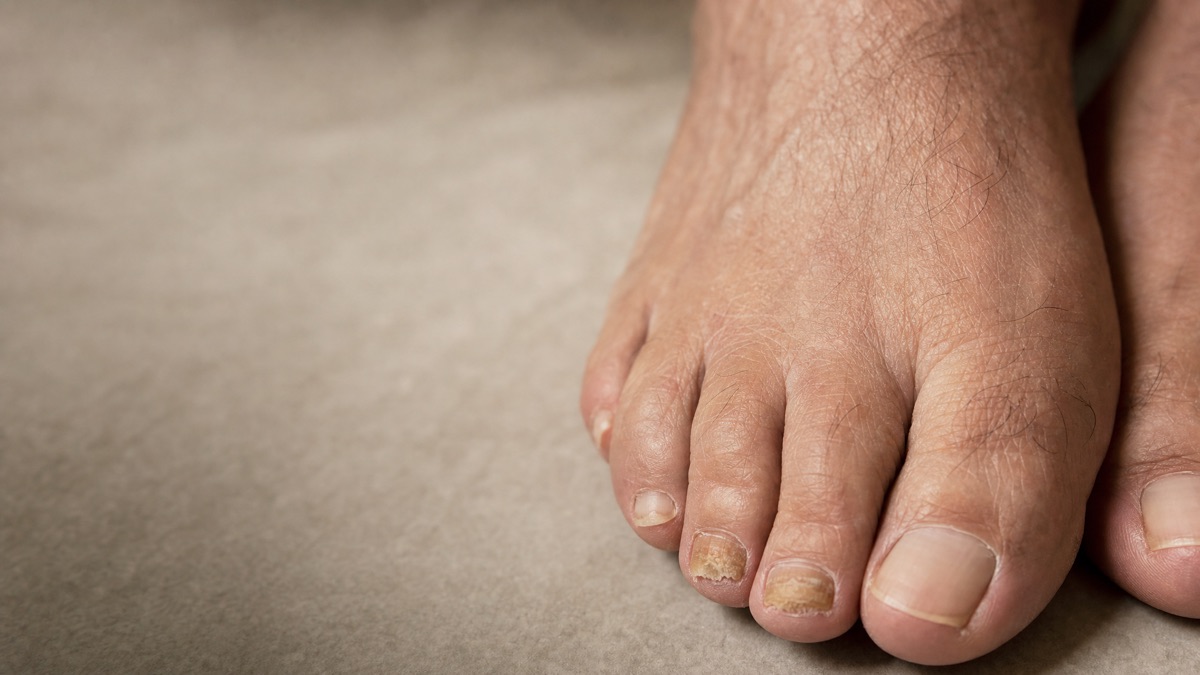
A thick, yellow, crumbling toenail looks the same whether the cause is fungus, an old injury, psoriasis, or reduced circulation. We see patients who have been treating a nail for a year with an antifungal when the nail was damaged by a dropped object a decade ago and was never going to respond. A nail clipping sent to the lab answers the question, and it is worth doing before committing to months of treatment or to an oral medication that requires blood work.
How the infection starts
Dermatophytes, the same fungi behind athlete's foot, get under the nail through a tiny gap between the nail and the nail bed. Once they are underneath, they are protected from anything applied to the surface.
- • Small splits or lifting at the nail edge
- • Untreated athlete's foot spreading to the nail
- • Shared showers, locker rooms and pool decks
- • Nail tools used on an infected nail first
Who tends to get it
Anything that reduces blood flow to the toes or slows nail growth makes the infection easier to catch and harder to clear.
- • People with diabetes
- • Older adults, since nails grow more slowly with age
- • Anyone with poor circulation in the legs
- • Runners and athletes, from repeated toe trauma
- • People on medications that suppress the immune system
If you have diabetes, treat this as more than cosmetic. A thickened nail presses into the nail bed and can create an ulcer underneath that you will not feel. That is a different conversation than an unsightly nail, and it should be looked at rather than managed at home.
What the Nail Looks Like
Discoloration
Yellow, brown, white or occasionally black. It usually starts at the free edge or along one side and works back toward the cuticle rather than appearing all at once.
Thickening
The nail gets noticeably harder to cut and starts to lift the toe against the top of the shoe. Pressure and pain on the top of the toe is often what finally brings people in.
Crumbling
The nail becomes brittle and breaks away in pieces at the edge instead of cutting cleanly.
Separation from the nail bed
The nail lifts away and a space forms underneath where debris collects. This is the pocket that makes surface treatments so difficult.
Treatment Options
Oral antifungal medication
Taken by mouth so the drug reaches the nail through the blood supply, which is why it gets to places a topical cannot. Terbinafine is the usual first choice, typically for about twelve weeks for toenails. Because these medications are processed by the liver, we check liver function before starting and review everything else you take for interactions. It is not the right choice for everyone, and we will tell you if you are one of those people.
Usually considered
- • Terbinafine, daily course
- • Itraconazole, sometimes given as pulse dosing
- • Fluconazole in selected cases
What it requires from you
- • Blood work before and sometimes during treatment
- • A full list of your other medications
- • Finishing the course even though nothing looks different yet
Prescription topical solutions
Applied to the nail daily, generally for close to a year. These are formulated to penetrate nail plate, which is what separates them from drugstore products. They are gentler than an oral medication and a reasonable choice when the infection is limited to the outer part of the nail or when an oral drug is not safe for you. They ask a lot in the way of consistency, and skipped applications are the usual reason they fail.
Commonly prescribed
- • Efinaconazole solution
- • Tavaborole solution
- • Ciclopirox nail lacquer
Works better when
- • The nail is thinned down in the office first
- • Less than half the nail is involved
- • The cuticle end of the nail is still clear
In-office options
Laser therapy
Laser energy passes through the nail plate to reach the fungus underneath. Done as a series of sessions, no medication involved, and you walk out afterward. Usually not covered by insurance, so we go over cost before you commit. More on laser therapy.
Nail debridement
Thinning and reducing the nail in the office. It relieves the pressure on the toe immediately and gives any topical a much shorter distance to travel. Often done alongside other treatment rather than instead of it.
Nail removal
Reserved for a nail that is painful or badly deformed, or when everything else has been tried. Done under local anesthetic. It can be temporary or permanent depending on what makes sense for you.
What to Realistically Expect
We are not going to promise you a clear nail. What we will do is tell you what your nail looks like it can do. A big toenail takes roughly twelve to eighteen months to replace itself completely, and no treatment speeds that up. Even when the fungus is killed on day one, the damaged part of the nail has to grow off the end of your toe before the nail looks normal. The first sign that something is working is clear, healthy nail appearing at the cuticle, not the yellow part changing color.
Some nails do not come back cosmetically even after the infection clears, usually where the nail bed itself was damaged before treatment started. Nails that have been infected for many years and nails on people with reduced circulation are the ones least likely to look normal again. We would rather say that upfront than have you finish a year of treatment feeling let down.
Reinfection is common, and it is usually your own shoes. Treating the athlete's foot on the skin, alternating pairs of shoes, keeping feet dry and not going barefoot in locker rooms does more to keep a nail clear than anything else after treatment ends.
Keeping It From Coming Back
Day to day
- Dry between the toes, not just the top of the foot
- Fresh socks daily, moisture-wicking rather than cotton
- Sandals in public showers, locker rooms and around pools
- Your own clippers and files, cleaned after each use
Longer term
- Rotate shoes so each pair gets a full day to dry out
- Treat athlete's foot promptly, before it reaches a nail
- Ask nail salons how they sterilize instruments, and bring your own if unsure
- Keep blood sugar controlled if you have diabetes
Common Questions
Can toenail fungus go away on its own?
It rarely does. The fungus lives inside and underneath the nail plate, which has no blood supply, so your immune system cannot reach it the way it would an infection in skin. Left alone it usually spreads slowly to the other nails and often to the skin of the foot as well.
How long does toenail fungus treatment take?
Longer than most people expect, because you are waiting on nail growth rather than on the medication. A big toenail replaces itself over roughly twelve to eighteen months. Even when treatment works immediately, you will not see a fully clear nail until the damaged part has grown all the way out.
Do over the counter toenail fungus treatments work?
Most are made for skin, not for nail plate, and do not penetrate deep enough to reach fungus living underneath. They can help mild surface involvement or athlete's foot on the surrounding skin, but a thickened, discolored nail generally needs a prescription topical, an oral antifungal, or laser treatment.
Is a thick yellow toenail always fungus?
No, and this is why we confirm before treating. Old trauma, psoriasis and some circulation problems all produce nails that look identical. A nail clipping sent for testing settles it, and it matters, because none of those respond to antifungal treatment.
Related Reading
See a Podiatrist Near You
ASG Foot & Ankle has offices in Homewood, South Chicago Heights and Mokena. Our board-certified podiatrists accept most insurance. Find the office closest to you:
Get the Nail Looked At Before You Treat It
Confirming what is actually wrong with the nail takes one visit and saves months of treating the wrong thing. We see patients at three offices in Homewood, South Chicago Heights and Mokena, and most major insurance is accepted.