When Heel Pain Won't Go Away
Treating chronic plantar fasciitis at our Homewood, Mokena and South Chicago Heights offices
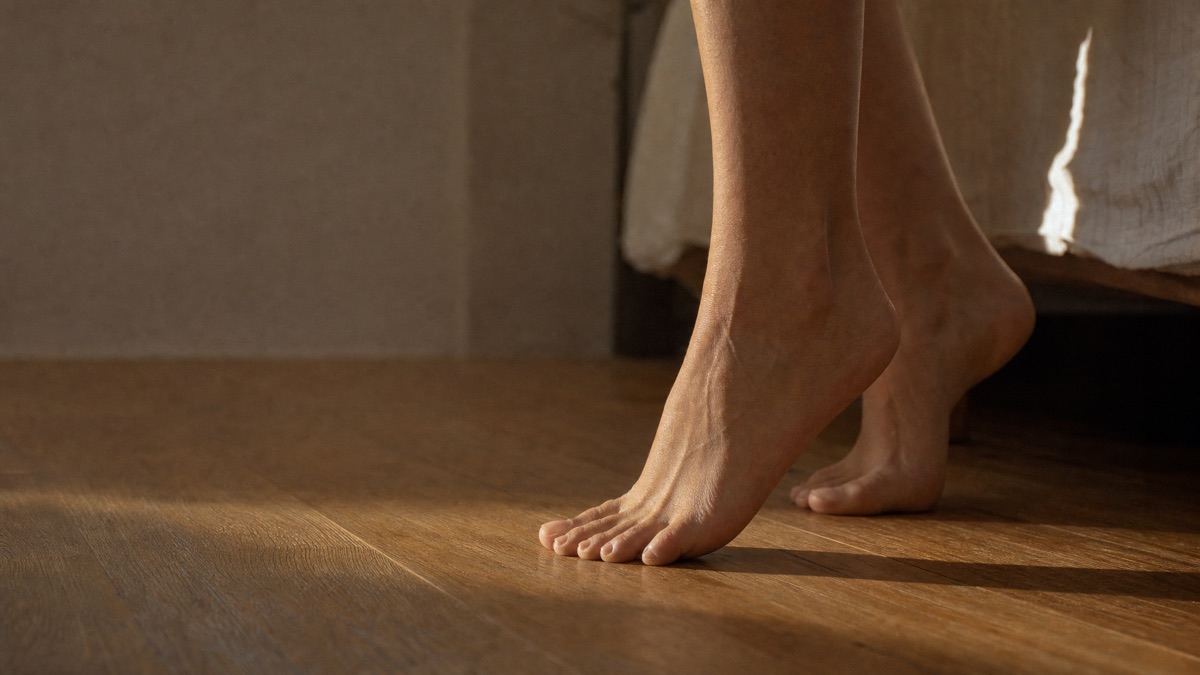
Almost everyone with plantar fasciitis describes the same thing: the first step out of bed in the morning is the worst one of the day. It eases up after a few minutes of walking, comes back after sitting, and gets bad again by evening. For most people that pattern settles down within a few months with stretching, better shoes and time.
This page is for the people it doesn't settle down for. When heel pain has been going on past six months, it usually means something structural is still driving it, and repeating the same drugstore insole is not going to fix it. Here is how we work through those cases at our three offices in Homewood, Mokena and South Chicago Heights.
Medically reviewed by Dr. Timothy Horak and Julia Shauger, board-certified podiatric specialists serving Homewood, South Chicago Heights & Mokena. Last reviewed July 2026.
Why Some Heel Pain Becomes Chronic
Once heel pain passes roughly the six-month mark, what is happening in the tissue changes. Early plantar fasciitis is largely inflammatory. Long-standing plantar fasciitis is usually degenerative, meaning the fascia has thickened and lost its normal fiber structure rather than simply being irritated. That distinction matters, because anti-inflammatory measures alone tend to stop working at that stage.
What we tend to find on exam
- • Thickening of the fascia where it attaches to the heel bone
- • Calcification at that attachment point
- • A visibly altered walking pattern from months of guarding the heel
- • Pain that has started shifting to the other foot from favoring
What is usually driving it
- • Tight calf muscles, by far the most common and most missed cause
- • Flat feet or high arches that overload the fascia
- • Long shifts standing on concrete
- • Going barefoot at home on hard floors
- • Weight gain or a sudden jump in activity
The calf point is worth repeating. A large share of stubborn heel pain is really a tight gastrocnemius pulling on the heel with every step. If nobody has checked your calf flexibility, that is often the missing piece.
What Happens at Your First Visit
If the heel pain has already been treated once without success, the priority is confirming the diagnosis rather than repeating treatment. Several other problems mimic plantar fasciitis closely, including a stress fracture of the heel bone, nerve entrapment, and fat pad atrophy. Those need different treatment entirely.
Examination
- • History of what has already been tried and for how long
- • Point-of-pain mapping across the heel
- • Calf flexibility and ankle range of motion testing
- • Watching you walk
Imaging when indicated
- • X-ray to rule out a stress fracture
- • Ultrasound to measure fascia thickness
- • Further imaging if the picture does not fit
Treatment Options We Use
First: fix what conservative care missed
Before moving to procedures, we make sure the basics were actually done correctly, because often they were not. That means a structured calf stretching program rather than occasional stretching, a night splint to hold the fascia at length overnight, supportive shoes worn indoors as well as out, and custom orthotics built from your foot rather than an off-the-shelf insert.
A meaningful number of "failed" cases are really cases where these were never done consistently.
Then: in-office procedures
Shockwave therapy
Sound waves applied to the heel to stimulate healing in degenerated tissue. Done as a series of sessions, no anesthesia, walk out afterward.
Injections
Corticosteroid can break a severe pain cycle, though it is used sparingly because repeated injections carry a risk of fascia rupture and fat pad thinning.
PRP
Platelet-rich plasma from your own blood, used in select degenerative cases. Typically not covered by insurance, so we discuss cost upfront.
Last: surgery, and it is rarely needed
Surgery is reserved for heel pain that has failed a genuine extended course of the above. When we do operate, the target is frequently the tight calf rather than the fascia itself, because releasing the calf addresses the actual mechanical cause.
- • Gastrocnemius recession for a tight calf
- • Partial plantar fascia release
- • Spur removal only when the spur is genuinely the pain source, which is uncommon
What to Realistically Expect
We will not promise you a timeline before examining your foot. What we can tell you honestly is that heel pain which has already lasted six months or more generally takes months, not weeks, to resolve, and that improvement usually shows up as a gradually shorter and less painful morning period rather than a sudden end to the pain.
The patients who do best are the ones who keep up the stretching and the orthotics after the pain starts improving. The single most common reason chronic heel pain returns is stopping once it feels better.
Common Questions
How long does chronic plantar fasciitis take to heal?
Cases that have already persisted past six months typically take several months of consistent treatment. How long depends on what is driving it, how long it has been present, and how consistently stretching and orthotic use are maintained.
Is walking bad for plantar fasciitis?
Normal walking in supportive shoes is generally fine and usually better than resting completely. What aggravates it is going barefoot on hard floors, standing for long stretches on concrete, and jumping up in activity suddenly. Barefoot at home is one of the most common reasons heel pain will not settle.
Do I need surgery for plantar fasciitis?
Most likely not. Surgery is uncommon for this condition and is considered only after an extended course of conservative treatment has truly failed.
Why does my heel hurt worse in the morning?
The fascia tightens overnight while the foot is relaxed, so the first step stretches it abruptly. That morning pattern is one of the clearest indicators the problem is plantar fasciitis rather than something else.
Related Reading
See a Podiatrist Near You
ASG Foot & Ankle has offices in Homewood, South Chicago Heights and Mokena. Our board-certified podiatrists accept most insurance. Find the office closest to you:
Get Your Heel Looked At
If your heel pain has lasted longer than a few months, it is worth having it properly diagnosed before trying another insole. We see patients at three offices in Homewood, Mokena and South Chicago Heights, and most major insurance is accepted.