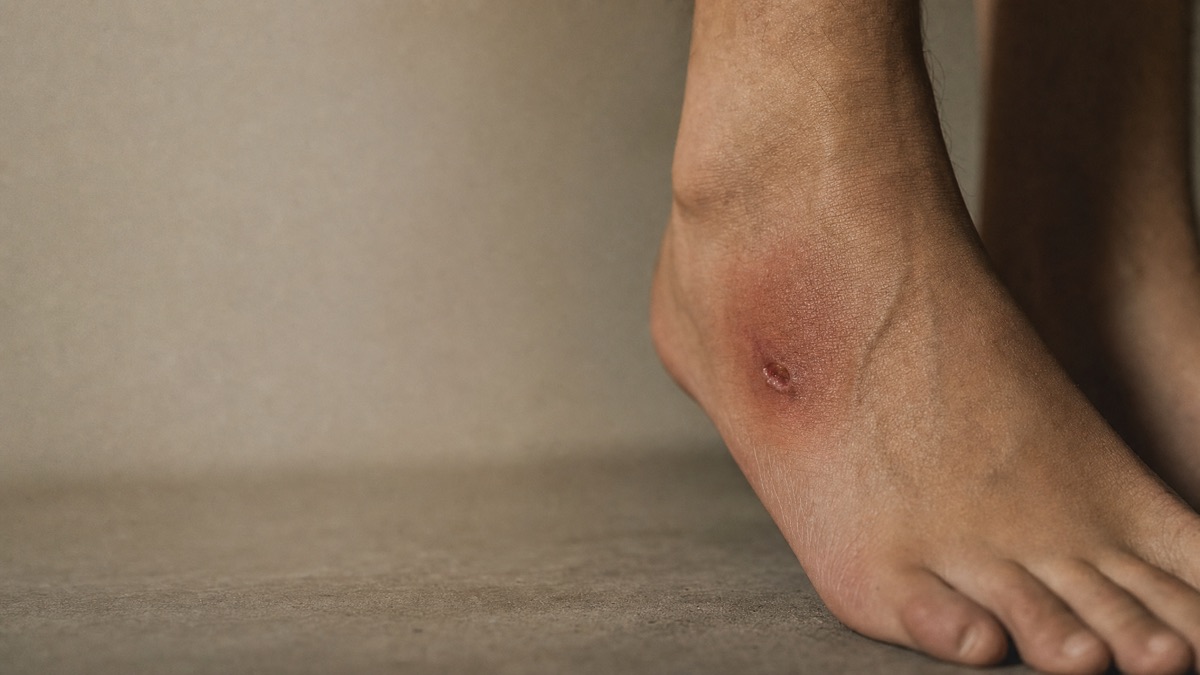
Is This Foot Wound Infected?
How to tell infection from normal healing, and what warrants a call today rather than next week
Almost every wound looks a little angry at some point. Some redness at the edges, a bit of warmth, some fluid on the dressing. That is not automatically an infection, and treating every wound as though it were leads to a lot of unnecessary antibiotics. The problem is that a genuine foot infection can move quickly, particularly if you have diabetes or reduced circulation, so knowing what actually distinguishes the two is worth your time.
The short version: healing goes one direction and infection goes the other. Below is how to read which one you are looking at, and what each level of concern calls for.
Medically reviewed by Dr. Timothy Horak and Julia Shauger, board-certified podiatric specialists serving Homewood, South Chicago Heights & Mokena. Last reviewed July 2026.
Normal Healing Versus Infection
Healing normally
- • Mild redness right at the wound edge that is receding, not expanding
- • Slight warmth that fades over the first several days
- • Clear or straw-colored fluid, and less of it as time goes on
- • Pain easing gradually
- • Beefy pink tissue filling the wound bed
- • New skin creeping in from the edges
- • The wound measurably smaller week over week
Signs of infection
- • Redness spreading outward from the wound
- • Warmth and swelling increasing rather than settling
- • Thick, cloudy, yellow, green or brown discharge
- • A distinct or foul smell
- • Pain rising, or new pain in a wound that was numb before
- • The wound getting bigger or deeper despite care
- • Feeling unwell, feverish, or unusually tired
A practical trick. Draw a line around the edge of the redness with a pen and note the time. If the redness has crossed that line a few hours later, it is spreading and you need to be seen. This one habit has caught more early infections in our patients than any single symptom on the list.
How Serious, and What to Do
Localized
What it looks like
- • Redness confined to within about two centimeters of the wound
- • Mild swelling and warmth
- • A small amount of pus
- • No fever, and you feel fine otherwise
What to do
Get an appointment within a day or two. Usually this is manageable with cleaning, debridement, the right dressing and oral antibiotics if indicated.
Spreading
What it looks like
- • Redness extending well beyond the wound edge
- • Marked swelling
- • Steady drainage
- • A low fever, or simply feeling run down
What to do
Be seen today. Call our office or go to urgent care. Some of these need intravenous antibiotics or a short hospital stay, and the sooner that is decided the better.
Emergency
What it looks like
- • Red streaks traveling up the leg
- • Fever above 101°F with chills
- • Racing heart or breathlessness
- • Black or gray tissue
- • Severe pain out of proportion to the wound
- • Confusion or unusual drowsiness
What to do
Go to the emergency room now, or call 911. Do not wait for a clinic appointment and do not wait until morning.
If You Have Diabetes, Lower the Threshold
Nerve damage removes the alarm. A diabetic foot infection can be well advanced while the foot still feels like nothing much, which means the usual signal most people rely on, pain, is not available to you. Everything else on this page becomes more important as a result: look at the foot every day, in good light, including between the toes and the sole.
High blood sugar also blunts the immune response and reduced circulation limits how well antibiotics reach the tissue. Together these mean an infection that would be minor elsewhere can become limb-threatening in a diabetic foot within days rather than weeks.
The rule we give our diabetic patients
Any break in the skin that shows any sign of infection gets looked at the same day. Not tomorrow, not after the weekend, and not after seeing whether it settles on its own. We would far rather see you for something that turns out to be nothing.
How These Are Treated
Debridement
Removing dead tissue and the biofilm layer over the wound surface. This is usually the step that changes the trajectory, because bacteria sheltering under that layer are difficult for antibiotics and your own immune system to reach.
Antibiotics, chosen properly
Oral for localized infection, intravenous for spreading or systemic infection. A wound culture guides the choice, which matters when a broad-spectrum course has already failed once.
Drainage
A collection of pus does not resolve on antibiotics alone. It has to be opened and drained, which also brings quick relief from the pressure and pain.
Dressings that suit the wound
Antimicrobial dressings containing silver or iodine while infection is active, then a change of approach once it is controlled. Dressings are matched to the amount of drainage, not chosen once and left.
Taking the pressure off
A wound on the sole of the foot cannot heal while you keep walking on it. Offloading with a boot, a total contact cast or a specialist shoe is treatment, not an accessory.
Checking the bone
Deep wounds, wounds that probe to bone, and infections that keep returning raise the question of osteomyelitis. That changes the treatment plan substantially and needs imaging to sort out.
What to Realistically Expect
We will not tell you how long a wound will take to heal before we have seen it, because the answer depends on your circulation, your blood sugar, where the wound sits and how much pressure it takes when you walk. What we can tell you is what improvement should look like. Within days of starting the right treatment, redness should start pulling back and drainage should reduce. Over weeks, the wound should measurably shrink.
If none of that is happening, something in the plan is wrong: the wrong antibiotic, undrained infection, dead tissue still in the wound, poor blood flow, or continued pressure on the site. That is the point to have it reassessed rather than to keep going with the same dressing.
Common Questions
What are the signs of an infected foot wound?
Redness that is spreading outward rather than shrinking, increasing warmth and swelling, thick or cloudy discharge, a smell coming off the wound, pain that is getting worse (or new pain in a wound that did not hurt before), and a wound that is enlarging despite care. Feeling generally unwell, running a temperature, or seeing red streaks traveling up the leg means the infection is no longer local and needs attention immediately.
How do I know if my wound is infected or just healing?
Direction is the most useful clue. Healing wounds trend one way: the redness recedes, the drainage thins out and lessens, the pain settles, and the wound gets smaller week over week. Infection trends the other way. A little redness and warmth at the edge of a fresh wound is normal. Redness that is wider today than it was yesterday is not. If you cannot tell, mark the edge of the redness with a pen and look again in a few hours.
When should I go to the emergency room for a foot wound?
Go now if you have red streaking spreading up the leg, a fever with chills, black or gray tissue at the wound, a rapid heartbeat, shortness of breath, or any confusion or unusual drowsiness in yourself or an older relative. Sudden severe pain out of proportion to how the wound looks is also an emergency. If you have diabetes and the foot is red, swollen and warm, do not wait for a routine appointment.
Do all infected foot wounds need antibiotics?
No, and antibiotics alone are frequently not the answer even when they are needed. Dead tissue and biofilm at the wound surface shield bacteria from both antibiotics and your immune system, so debridement is often what actually turns an infection around. Offloading pressure from the wound matters just as much. Antibiotics chosen without a culture, without cleaning the wound and without taking weight off it are a common reason an infection keeps coming back.
Related Reading
Specialized Wound Care at ASG Foot & Ankle
Our board-certified podiatrists treat slow-healing wounds, diabetic foot ulcers, and post-surgical wounds at our three clinics in Homewood, South Chicago Heights, and Mokena.
See a Podiatrist Near You
ASG Foot & Ankle has offices in Homewood, South Chicago Heights and Mokena. Our board-certified podiatrists accept most insurance. Find the office closest to you:
Think It Might Be Infected? Call Today.
Wound infections are far easier to treat early than late. We can look at it, clean it properly and start the right treatment. Three offices in Homewood, Mokena and South Chicago Heights, same-day appointments are often available, and most major insurance is accepted.